
Our Farmers
Great coffee starts long before it reaches our roastery.
Our relationships with coffee producers began by going to the source, spending time on the farms, meeting the families behind the coffee and seeing firsthand how it’s grown, picked and processed.
A Trip That Changed How We Buy Coffee
It began with a short documentary about a coffee farmer named Diego in Nicaragua. His story stayed with us, and Jesse wanted to learn more about the person and the farm behind the coffee.
He tried calling Diego but didn’t get a hold of him. Still, Jesse decided on faith to make the trip.
A week before the trip, our friend heard what we were planning and gave us $10,000 to purchase coffee from Diego’s farm. Jesse boarded the flight without ever having met Diego or tasted his coffee.
He spent the next week on the farm with Diego and his family, seeing firsthand how the coffee was grown, picked, and dried, and getting to know the people whose work went into every harvest.
That trip changed the way we looked at buying coffee. We didn’t just want to know where our coffee came from. We wanted to know the people behind it.
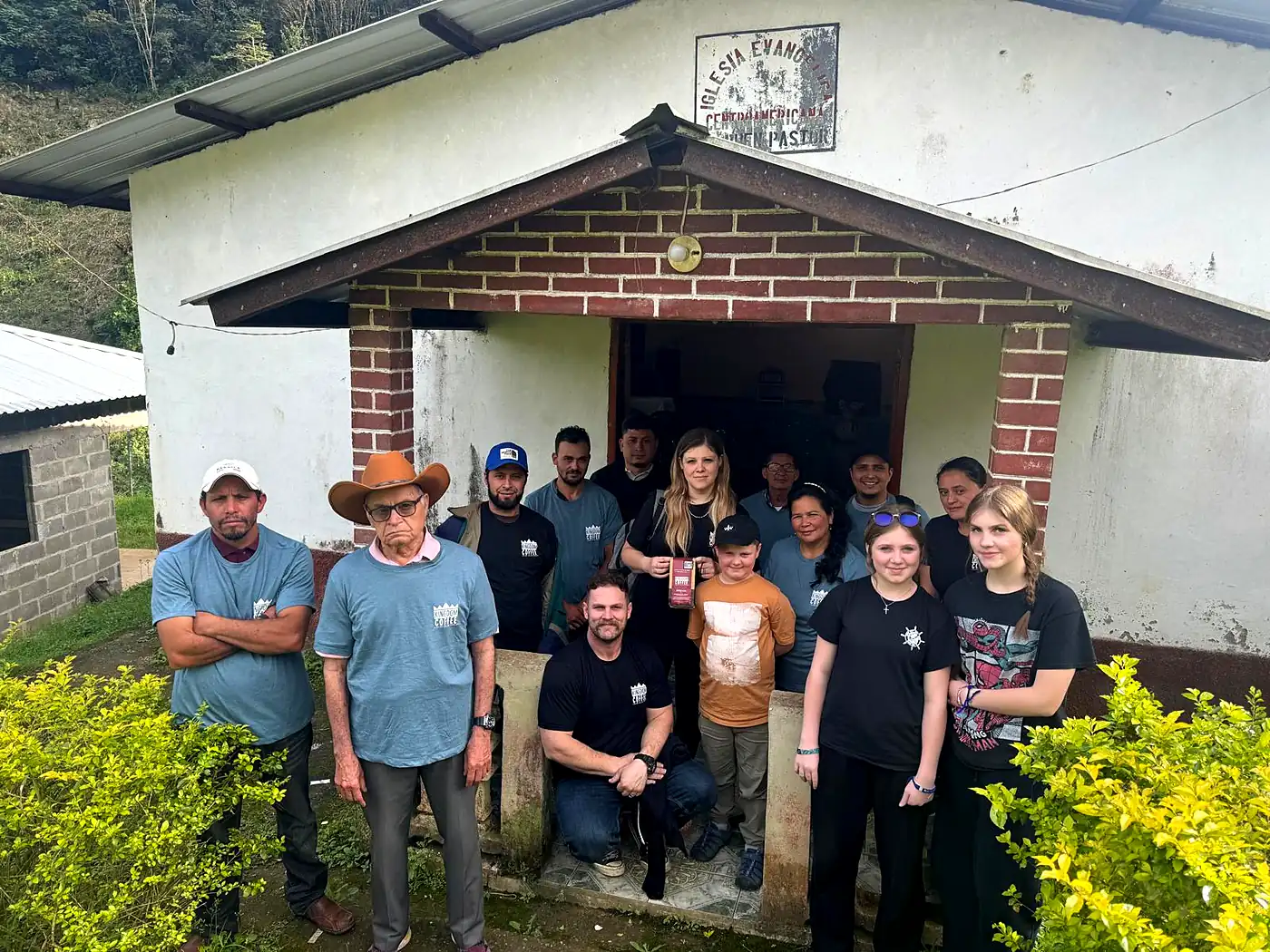
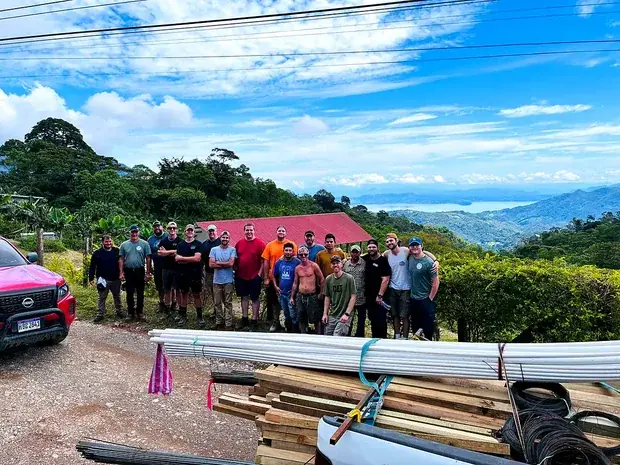
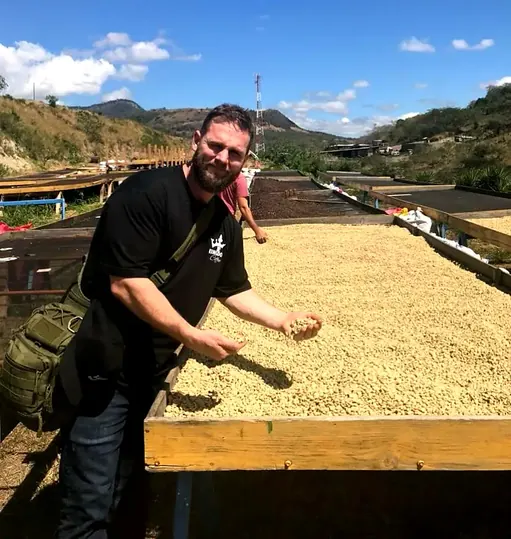
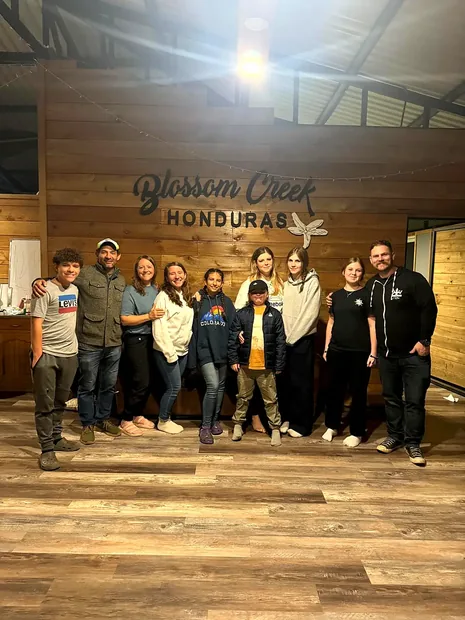
Since then, we’ve traveled to Honduras with our entire family, spending time with coffee-growing families, walking their farms, and seeing together where the coffee we roast begins.
What started with one trip has become how we do things: know where our coffee comes from, know the people who grow it, and build relationships that last.
From the Branch to the Drum
Before coffee ever reaches our roastery, it goes through a process at origin that turns the fruit of the coffee tree into the green coffee we roast.
 01
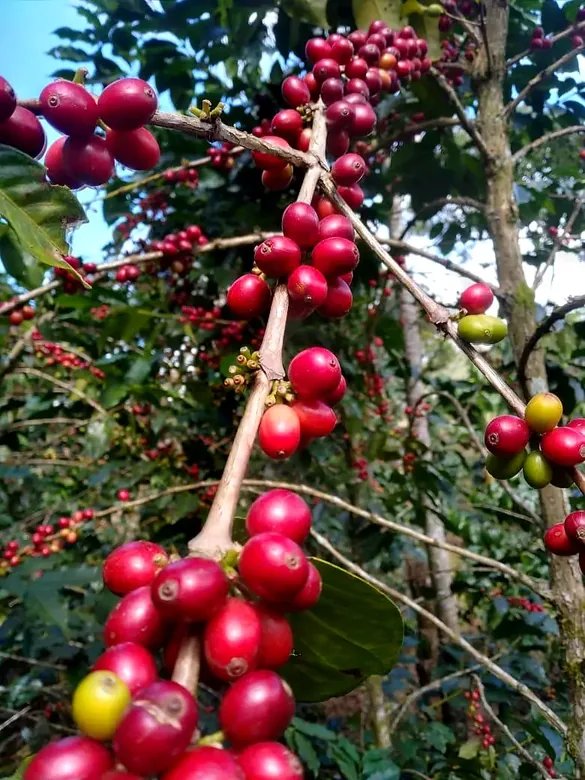
Coffee cherry
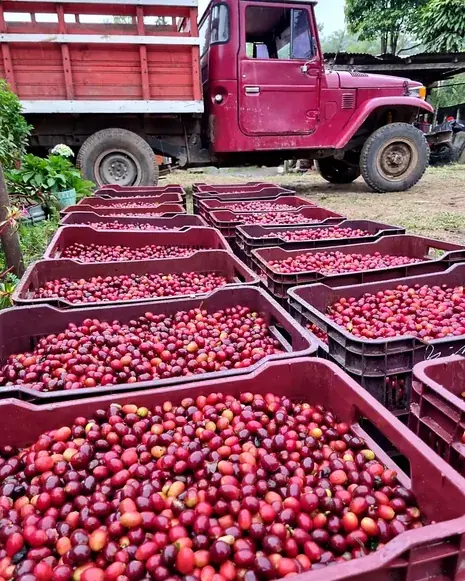
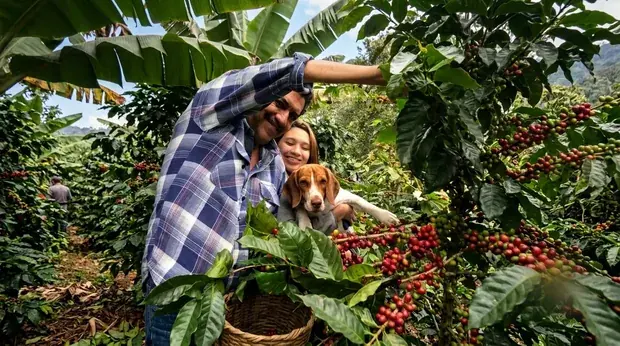
Coffee begins as a fruit. The cherries are harvested by hand when they are ripe, with the coffee seeds — the beans we eventually roast — inside.
 02
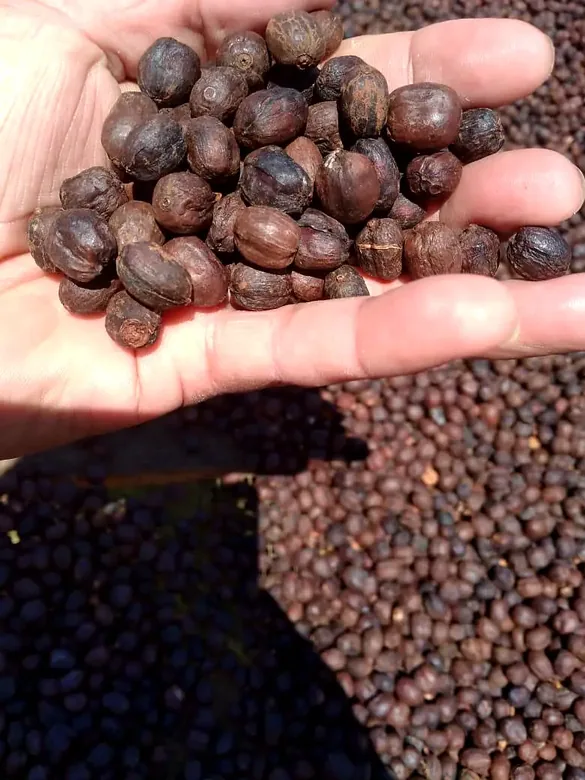
Natural process
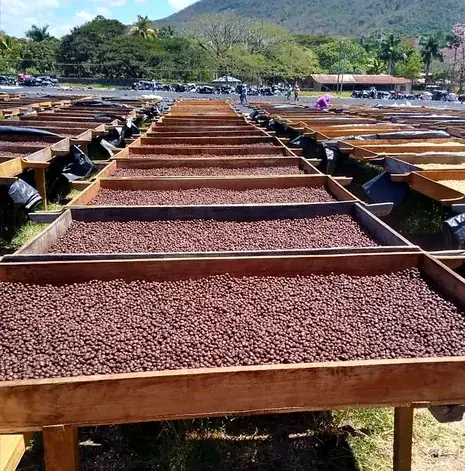
For the natural process, the whole cherries are dried in the sun, with the fruit left on the bean as it slowly dries. This allows the coffee to absorb more natural sugars from the fruit, often creating a sweeter, fruit-forward cup profile.
 03
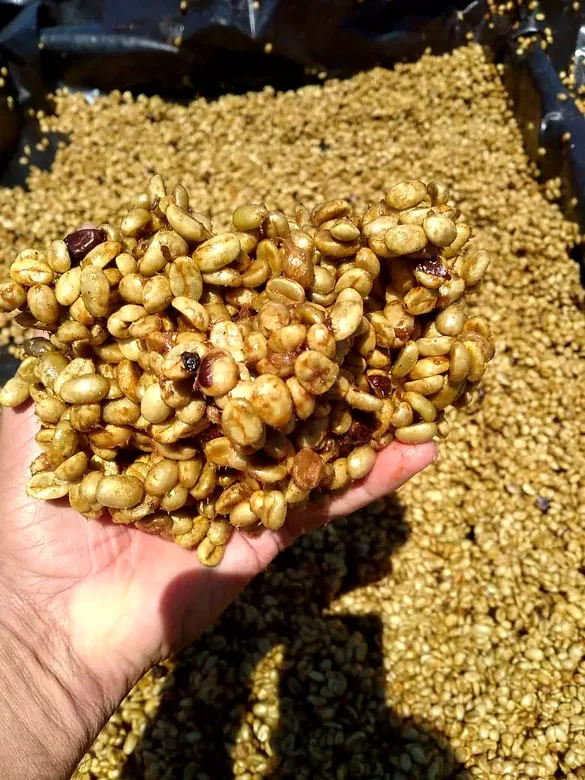
Honey process
In the honey process, the outer skin is removed, but some of the sweet fruit mucilage is left on the bean as it dries. This creates a balance of sweetness, acidity and body, giving the coffee a rich, layered flavor.
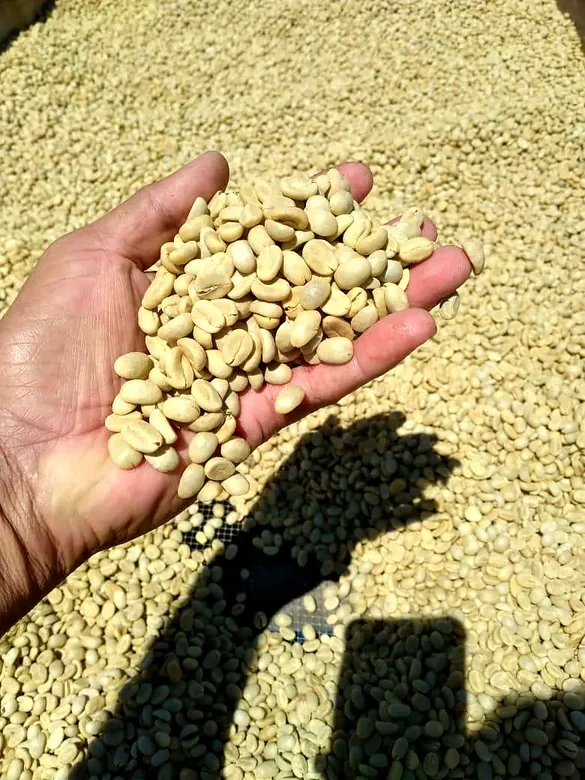 04
Washed process
In the washed process, the fruit is removed and the beans are washed and cleaned before drying. This produces a clean, bright and consistent cup profile, often with clarity and crisp acidity.
Who Grows It
Three growers, named, with the facts we can evidence.
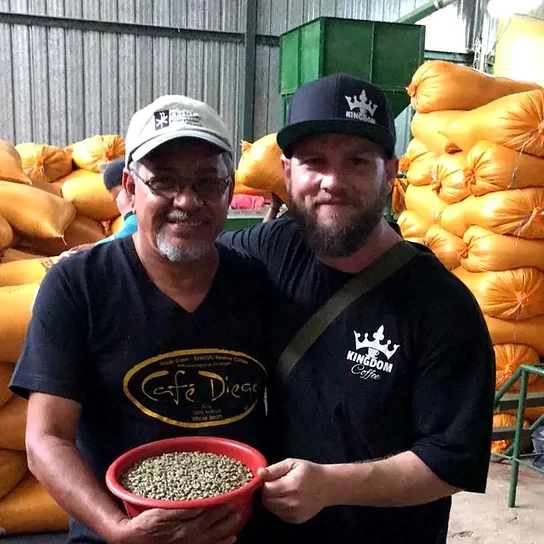 El Dorado · Matagalpa, Nicaragua
Diego Chavarría
Three hundred hectares in the mountains of Matagalpa, farmed by the same family across generations. It turns out roughly 160,000 pounds of organic green coffee a year.
The people who pick it are housed and fed by the farm, their families included. Diego has also planted more than forty churches across Nicaragua, the work he does with what the harvest returns.
- Organic green, per year
- ~160,000 lb
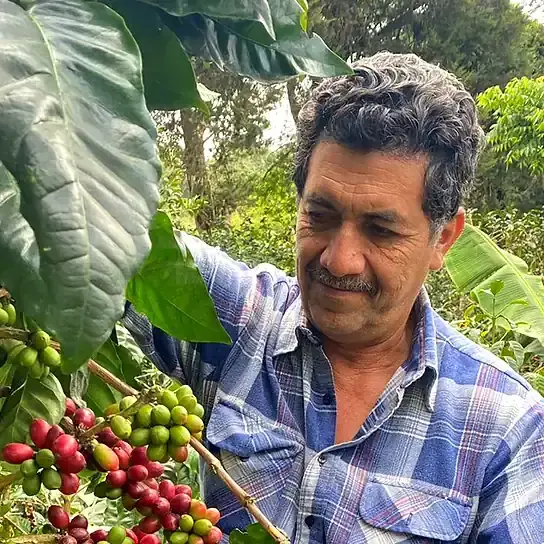 Los Pinos · Nicaragua
Byron Corrales
Byron grows organic specialty coffee and farms it the long way, conservation practices that cost him more now so the land is still worth farming later.
He was seven when his grandfather taught him to plant his first coffee tree, and he has farmed the same ground since.
He puts the people who work for him through post-secondary education. And he once sent 152 pounds of his first-class coffee, free, to be poured for people living with addiction and homelessness, coffee he could have sold at the top of the market.
- Given away, no charge
- 152 lb
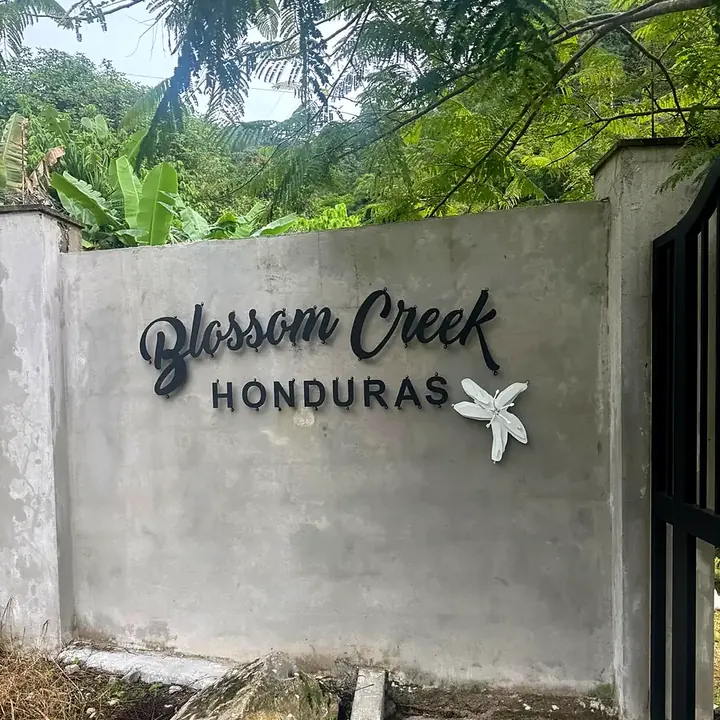 Blossom Creek · Santa Bárbara, Honduras
Blossom Creek Co-op
A co-operative in Santa Bárbara growing between 1,200 and 1,600 metres, high enough that the cherry ripens slowly and the sugars have time to build.
Their washed arabica cups at 83. It reaches us as a single origin, from one place rather than blended across several.
- Cup score
- 83
Nicaragua and Honduras, on the Days We Were There
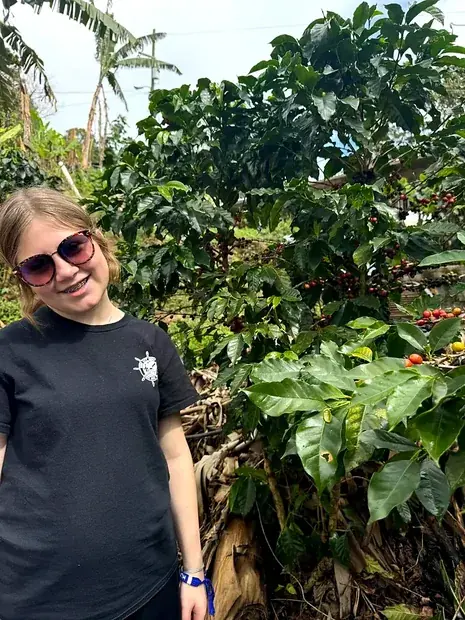
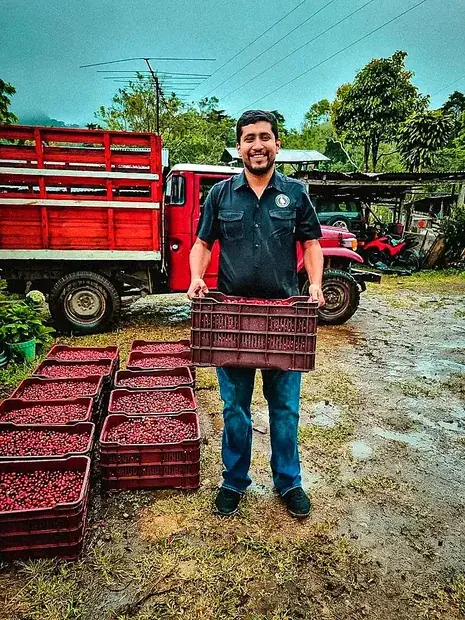
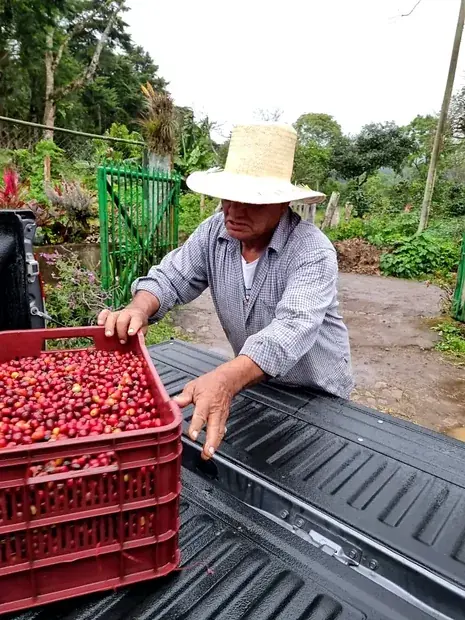
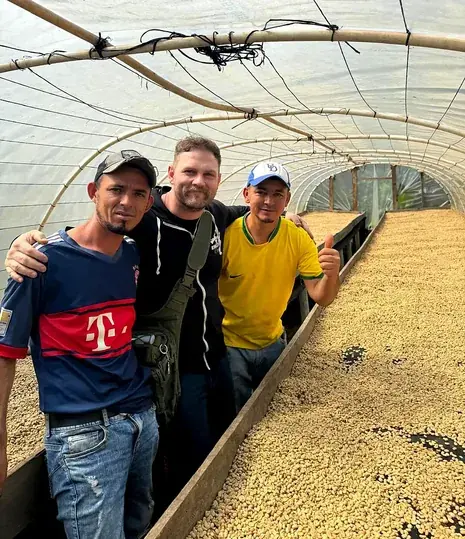
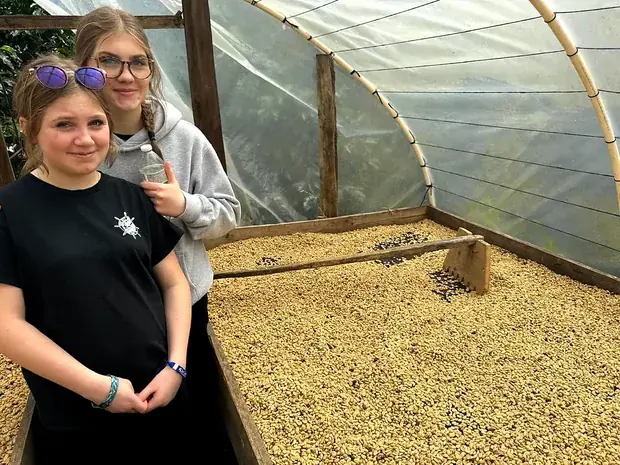
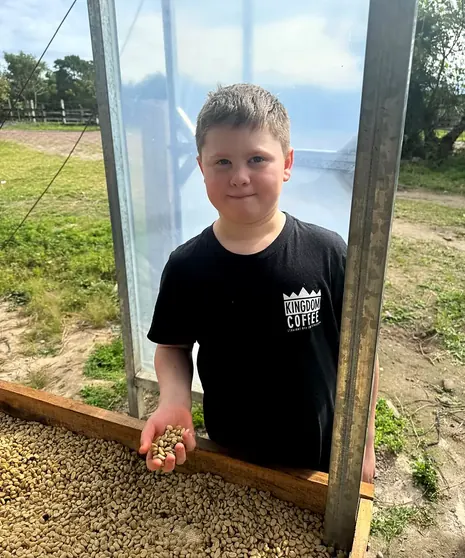
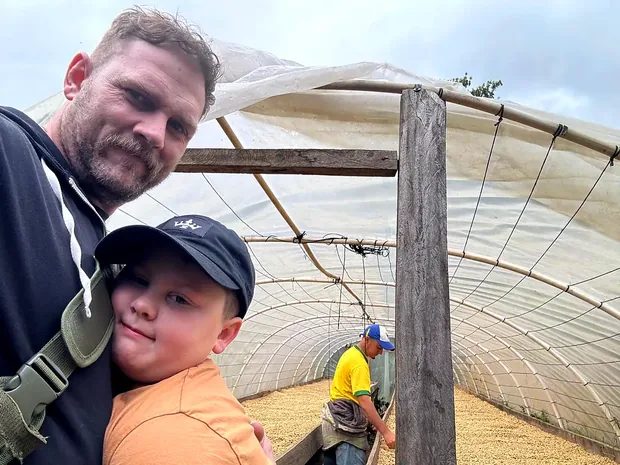
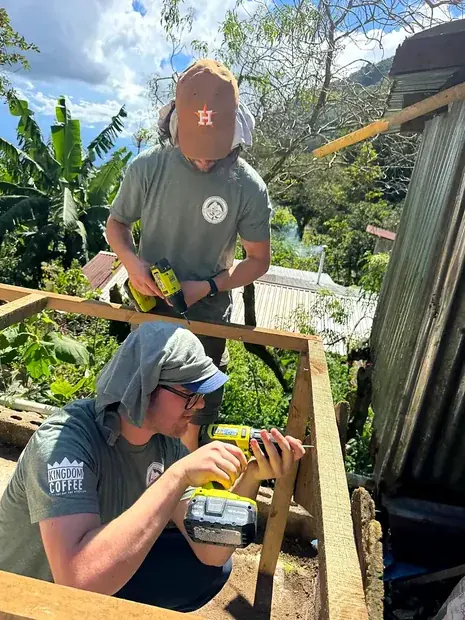
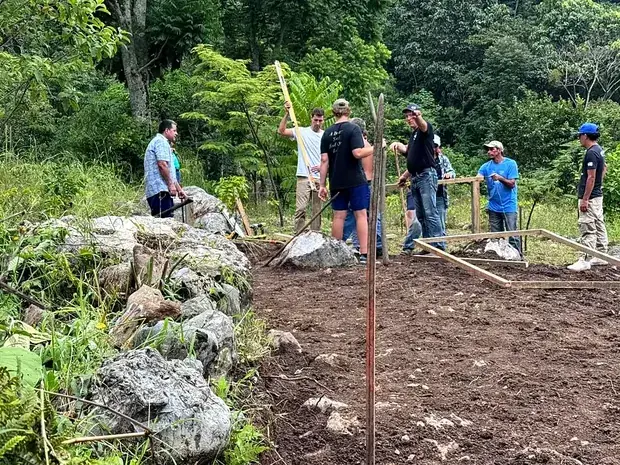
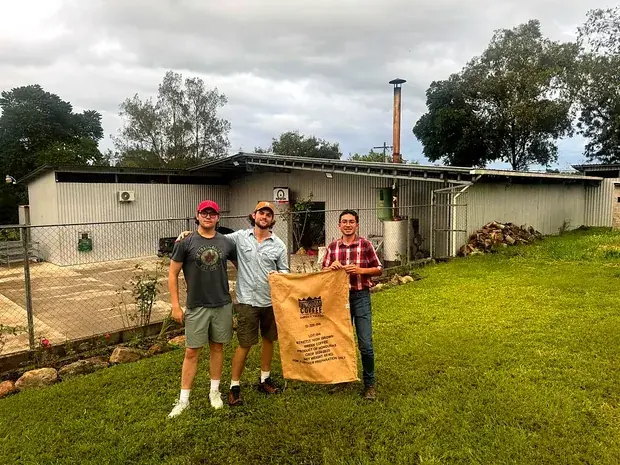
The picking, the drying beds, the mill and the people who run them. Photographed on the farms rather than bought from a library.
Taste What They Grew
Three blends, roasted to order in North Carolina from the green coffee these farms send north.